Solar powered air conditioning turns the hottest hours of the day from a cost driver into an advantage. Exactly when the sun on Mallorca is at its strongest and your solar panels produce the most electricity, your air conditioning is also working hardest. Bring those two curves together and you cool your home almost for free in summer, while becoming less dependent on rising grid prices. This article explains why solar powered air conditioning makes so much sense in a Mediterranean summer, how the system works technically, how to size it correctly and what it costs. For owners of a second home there is an extra benefit, which we cover separately.
Why sun and cooling demand match in summer
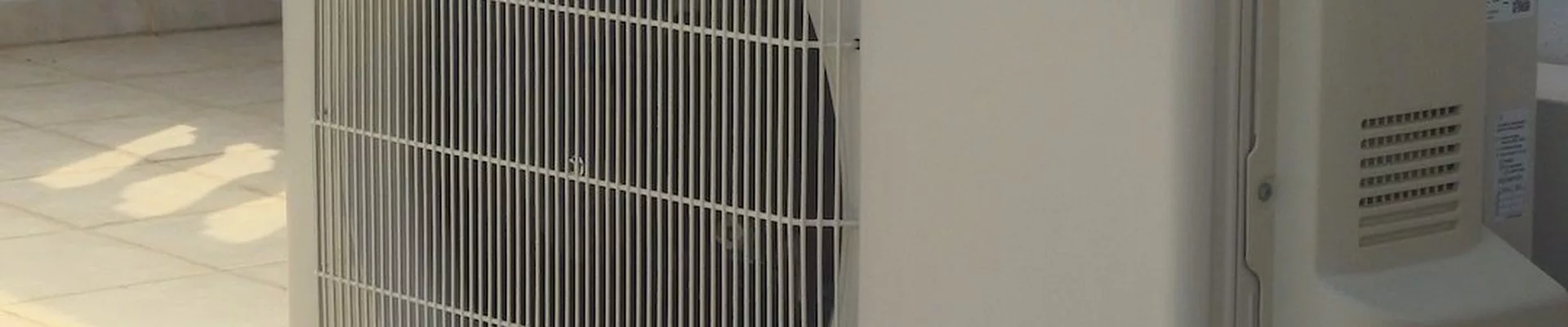
The decisive point of solar powered air conditioning is the overlap in time between generation and consumption. A photovoltaic array delivers its peak output around midday, when the sun is highest. That is exactly when cooling demand is greatest, because rooms and façades have heated up. This simultaneity is why solar electricity and cooling pair together better than almost any other combination of generation and load.
With many other applications the problem is that the power is generated when nobody needs it, and is missing in the evening. Cooling is different: the demand arises during the day, in parallel with production. Solar powered air conditioning therefore uses the self-generated electricity directly, without an expensive detour through the grid or a large battery. Self-consumption rises, and that is exactly the lever for a strong return.
Mallorca adds a very high number of sun hours. The island is among the most irradiated regions in Europe, as the European Commission’s solar energy data confirm. Anyone running solar powered air conditioning here enjoys reliable yields on practically every summer day. The combination of a stable solar supply and high cooling demand makes the Mediterranean climate the ideal setting for this concept.
How solar powered air conditioning works
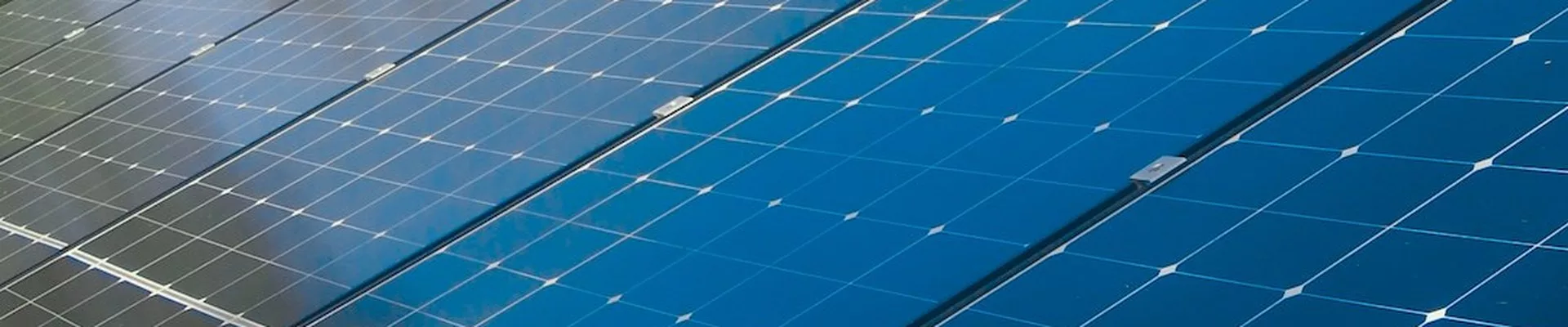
Technically, solar powered air conditioning consists of four building blocks: the solar panels on the roof, an inverter, the household distribution board and the air conditioner itself. The panels generate direct current, the inverter converts it into standard alternating current, and this feeds the air conditioner directly through the distribution board. No exotic special technology is required – the system simply uses the power that the roof produces anyway.
The clever part lies in the control. A modern energy management system recognises how much solar power is currently available and prioritises loads accordingly. When the roof produces a surplus at midday, the system can run the air conditioning preferentially on solar power instead of drawing from the grid. In this way solar powered air conditioning runs almost independently of the grid during the sun hours.
With or without a battery
A common question is whether solar powered air conditioning necessarily needs a battery. The answer depends on your usage profile. Anyone who mainly cools during the day – working from home, in a holiday rental, or in a flat that heats up at midday – often manages entirely without storage, because consumption coincides directly with production. The solar power is used in real time, and that is the cheapest option.
Those who also want to cool in the evening and at night, when the sun is no longer shining, benefit from a battery. It buffers the midday surplus and releases it after sunset. How such a store is sized and what additional role it plays as an emergency reserve we described in detail in our article on the solar backup system. For pure daytime solar powered air conditioning, however, a battery is not essential.
Sizing the solar array for your air conditioning
The right design for solar powered air conditioning begins with the electrical demand of the cooling. A typical split air conditioner with around 3.5 kilowatts of cooling capacity draws roughly 1 to 1.3 kilowatts of electrical power in operation. To cover this demand from solar during the midday hours, a modest panel area is often enough. The key is to match the installed solar capacity to the number and size of the air-conditioning units.
The following overview serves as rough orientation:
| Cooling need in the home | Recommended solar capacity | Daytime summer coverage |
|---|---|---|
| One split unit (one room) | 1.5 to 2 kWp | Very high |
| Two to three split units | 3 to 4 kWp | High |
| Multi-split or whole villa | 5 kWp and above | High, with reserve |
When we design solar powered air conditioning, we always proceed in several steps:
- Recording the existing or planned air-conditioning units and their capacity
- Analysing the typical cooling profile across the day and the season
- Calculating the appropriate solar capacity in kilowatt-peak
- Checking the available roof area and orientation
- Deciding on an optional battery for evening operation
It is important not to size the array too tightly. A slightly more generous design ensures that solar powered air conditioning is reliably fed from the sun even on lightly cloudy days and when several units run at once. Surplus power not currently needed for cooling can be used for hot water, the pool pump or charging an electric vehicle.
Economics and payback
The economic appeal of solar powered air conditioning lies in turning a previously expensive load into a largely free one. Cooling is one of the biggest items on the summer electricity bill. When this demand is met directly from your own generation, grid consumption in the peak hours falls sharply and the bill drops noticeably.
The savings come from several sources:
- Direct self-consumption of solar power instead of expensive grid supply at midday
- Avoiding load peaks that can push up the grid tariff
- Using the surplus for other loads in the house
- Increasing the value of the property with modern, efficient equipment
How quickly solar powered air conditioning pays for itself depends on the electricity price, the size of the array and the usage profile. The more solar power you consume yourself, the shorter the payback. On Mallorca, where the cooling season is long and irradiation is high, this calculation is particularly favourable. We prepare an individual calculation for each property that takes actual consumption and the roof situation into account.
Solar powered air conditioning in a second home
For owners of a second home, solar powered air conditioning has a special appeal. The house often stands empty for weeks, and the sun still delivers electricity during that time. Through an app, the cooling can be started remotely before you arrive, so that you walk into a pleasantly tempered home – and the pre-cooling happens preferentially with the free solar power of the afternoon.
The system also keeps working sensibly while you are away. The power generated during the day can feed a light base level of cooling or dehumidification that prevents mould growth in the closed house, without adding to the electricity bill. In this way solar powered air conditioning combines comfort on arrival with preventive protection of the property. It is also worth looking at photovoltaics as a whole, because the same array supplies other loads too.
Another building block for second homes is the combination with hot-water production. How solar power can additionally be turned into nearly free hot water via a heat pump is shown in our article on the hot water heat pump. Together this creates a home that covers a large share of its own energy needs in summer.
Grants, efficiency and the legal frame
Anyone investing today in solar powered air conditioning should know the current framework. In the Balearic Islands, grant programmes such as Fotopar supported the installation of photovoltaics and storage in recent years. Whether a current call is open we check for you as part of the planning, because the application windows are time-limited and the conditions change.
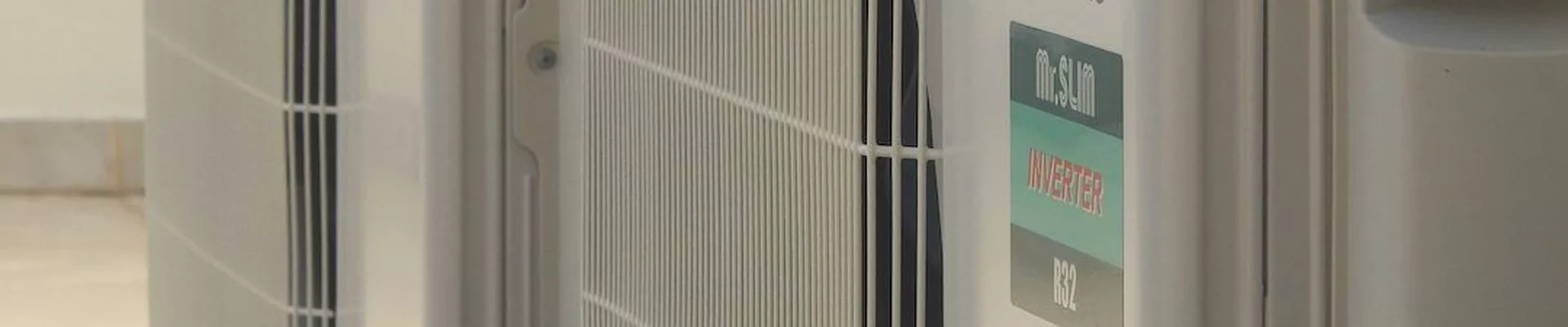
It is also worth looking at the efficiency of the cooling technology itself. Modern units with a high energy-efficiency class need considerably less electricity for the same cooling output, which further reduces the demand of the solar powered air conditioning. At the same time, European policy is steering the sector towards more environmentally friendly refrigerants, as set out on the European Commission’s energy efficiency pages. With every new installation we therefore choose an efficient unit with a future-proof refrigerant, so that your investment lasts.
Frequently asked questions about solar powered air conditioning
Can any air conditioner run on solar power? In principle, yes. Because the system is supplied through the normal household electricity, practically any unit can be run on solar power. The key is the correct sizing of the solar capacity.
Do I necessarily need a battery for solar powered air conditioning? No. Anyone who cools mainly during the day uses the solar power directly and often manages without storage. A battery mainly pays off for evening and night operation.
How many panels do I need? For a single split unit, 1.5 to 2 kWp is usually enough. For several units or a whole villa the demand rises accordingly. We calculate the right size individually.
Does it work when it is cloudy? Yes, though with lower yield. On cloudy days the grid automatically tops up the missing power, so cooling is always assured.
Is solar powered air conditioning worth it in a second home? Especially there. The sun delivers power even while you are away, and the cooling can be pre-started by app before you arrive – preferentially with your own solar power.
Can I retrofit an existing photovoltaic array? In most cases, yes. Whether and how your existing array can be optimised to run the air-conditioning units we check during a site survey.
Sector coupling: solar powered air conditioning as part of the whole
Solar powered air conditioning shows its full value when it is not seen in isolation but as part of a connected household. The solar power from the roof can take on several tasks in sequence during the day: in the morning it charges the battery, at midday it runs the air conditioning, in the afternoon it heats the water, and in the evening it charges the electric vehicle. This sector coupling ensures that as little power as possible flows unused into the grid.
On Mallorca in particular, where many households have a pool, there is a further lever. The pool pump runs during the day anyway and can be scheduled to use the solar surplus that the solar powered air conditioning is not currently drawing. An intelligent energy management system coordinates these loads automatically and extracts the maximum from every kilowatt-hour generated. The result is a home that covers a large share of its needs itself in summer.
We therefore always plan solar powered air conditioning in the context of the other loads. Anyone supplying their cooling from solar today should size the array so that it can also feed an electric vehicle or a heat pump tomorrow. This foresight avoids costly retrofits and makes the investment future-proof.
Common planning mistakes
When planning solar powered air conditioning, there are a few typical mistakes that are easy to avoid. The most common is a solar capacity that is sized too tightly and falls short on hot days with several units running. Equally problematic is an unfavourable roof orientation that reduces the midday yield, or outdated cooling technology with high power consumption.
The main pitfalls at a glance:
- Solar capacity too small for the number of air-conditioning units
- Neglected shading from trees, neighbouring buildings or roof structures
- Old, inefficient units that use up the solar power faster
- No energy management, so surplus remains unused
- No reserve for later loads such as a wallbox or heat pump
Anyone who takes these points into account from the start runs solar powered air conditioning that works reliably and economically for many years. We check exactly these aspects in every plan and size the array to match the property’s real usage profile. That way you avoid the frustration of a system that turns out too small at the decisive moment.
Maintenance and monitoring of the system
Solar powered air conditioning is low-maintenance, but not maintenance-free. The solar panels should be checked regularly for soiling and shading, because dust and the recurring Saharan dust noticeably reduce the yield. The air-conditioning units, for their part, need the usual annual care with filter cleaning and a refrigerant check, so that they stay efficient and use the solar power sparingly.
A major advantage of modern systems is remote monitoring. Through a portal, both you and we can see at any time how much power the roof delivers and how much the cooling consumes. This lets us spot deviations early and step in before the yield suffers. For solar powered air conditioning in a second home, this remote diagnostics is especially valuable, because it allows control from a distance without anyone having to be on site.
We offer a coordinated maintenance plan for the combination of solar and cooling technology that takes both systems into account. In this way your solar powered air conditioning stays efficient over the years and reliably delivers the planned savings, rather than gradually losing performance.
Environment and independence
Beyond the savings, solar powered air conditioning has a clear ecological dimension. Every kilowatt-hour that comes from the sun instead of the grid avoids emissions and relieves the Balearic grid in the critical peak hours. Given the warming climate, which is making Mallorca’s summers longer and hotter, this low-emission cooling is a contribution that pays off twice: for the environment and for your wallet.
There is also independence. Anyone supplying their cooling from solar is less exposed to rising electricity prices and to market fluctuations. Solar powered air conditioning gives you back a degree of control over your energy costs that is simply not possible with pure grid supply. This combination of comfort, economy and sustainability is why more and more owners on the island are choosing this path.
Conclusion: cool when the sun is strongest
Solar powered air conditioning exploits a simple but powerful relationship: on Mallorca the greatest cooling demand and the greatest solar yield fall in the same hours. Bring those two curves together and you cut your summer bill sharply, gain independence from rising grid prices and increase the value of your property at the same time.
The path there runs through clean planning: the right solar capacity, a suitable energy management system and, where sensible, a battery for evening operation. For owners of a second home there is the added comfort of pre-cooling the house from solar before arrival. In this way solar powered air conditioning turns from a mere load into a building block of an efficient, largely self-sufficient summer household.
Your next step
If you would like to run your cooling on your own sunshine from now on, we are glad to plan solar powered air conditioning for your property. We analyse your cooling demand, check the roof and its orientation and size the array precisely – with a battery and remote control for the second home on request. Call us on +34 644 450 672 or write to info@greentechbalear.com. You can find more about our photovoltaics and air conditioning on our website, and more articles in our news section.